48h Game Jam Challenge – Surviving Chaos & In Public Failing!
Mar 3, 2025
🎥 Watch the Full Experience!
Want to see how we built a game in just 48 hours? From concept to last-minute disaster, watch the vlog here.

Let’s break down these two days of pure creativity, caffeine and chaos! Bear with us to witness the final nerve-wracking moments 😨.
Table of Contents
- 🎥 Watch the Full Experience!
- 🛠 Day 0 – Arrival & Team Formation
- 👾 Day 1 – Development Begins
- ⏳ Day 2 – The Final Stretch & The Disaster
- 🚀 Join the Adventure
- ❓ FAQ
🛠 Day 0 – Arrival & Team Formation
What is a Game Jam?
A Game Jam is a 48-hour game development challenge where teams must create a game from scratch based on a surprise theme. These events test your creativity, teamwork, and urgency skills.
Team of Stangers
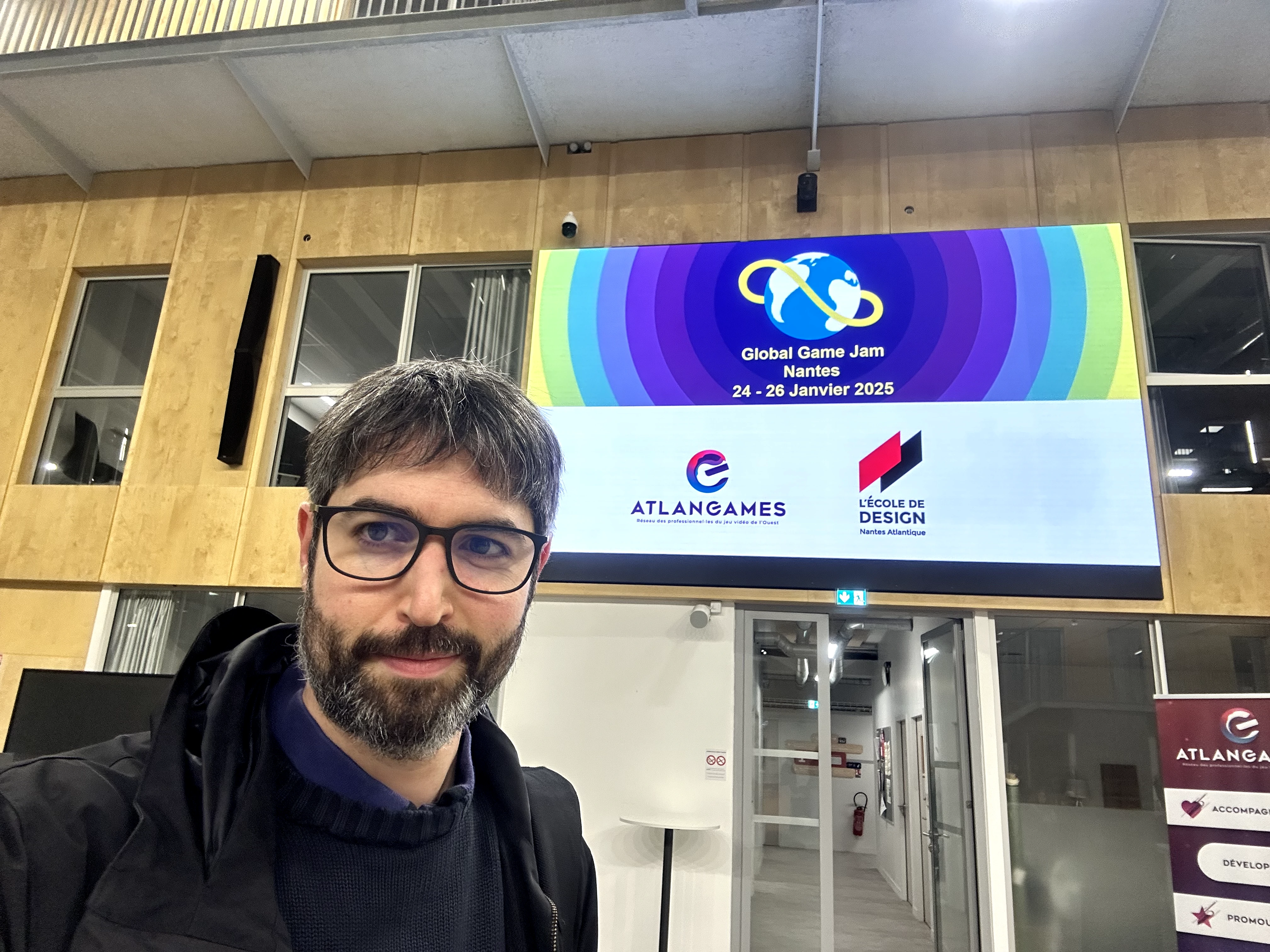
I arrived at the École de Design de Nantes on Friday evening for my first-ever in-person Global Game Jam. The energy in the room was electric, with over 100 people buzzing with excitement. I had teamed up in advance with two talented artists—a 3D artist and a 3D animator—but given the scale of the event, we saw an opportunity to expand our team with more diverse skills.
While enjoying some pizza, we mingled with other teams and ended up merging with a group that brought essential UX/UI design, concept art, and sound design skills to the table. Our final 7-person team was now complete!
Brainstorming & Game Concept
The Game Jam theme was revealed: “Bubbles.” The best practice for a game jam is to avoid wasting time finding a game idea.
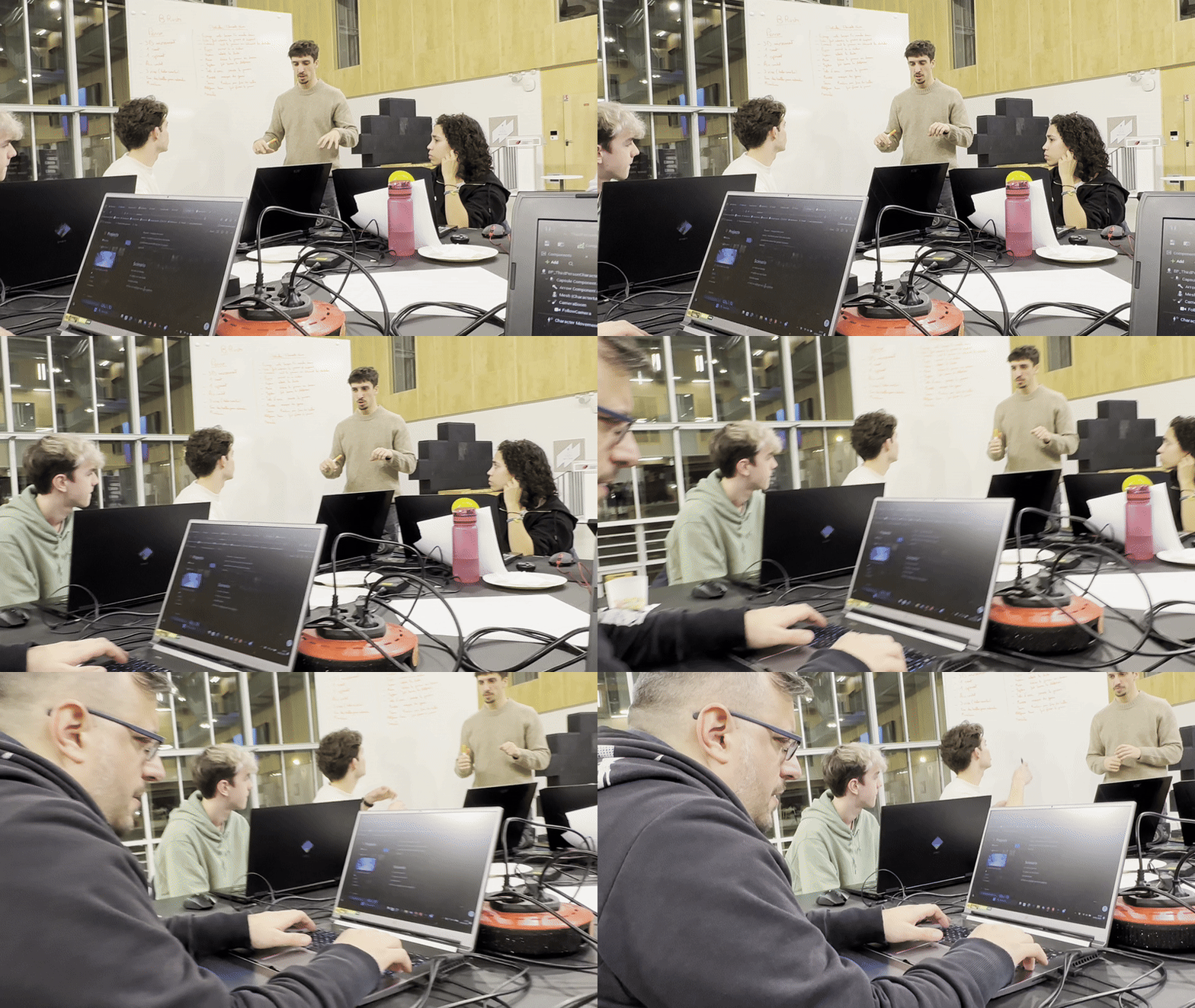
Our minds raced through different hypotheses:
- 🍾 Champagne Escape – Playing as a bubble of champagne trying to break free from a bottle.
- 🚢 Bubble Cannon – A ship shooting at airborne enemies with bubbles as ammo.
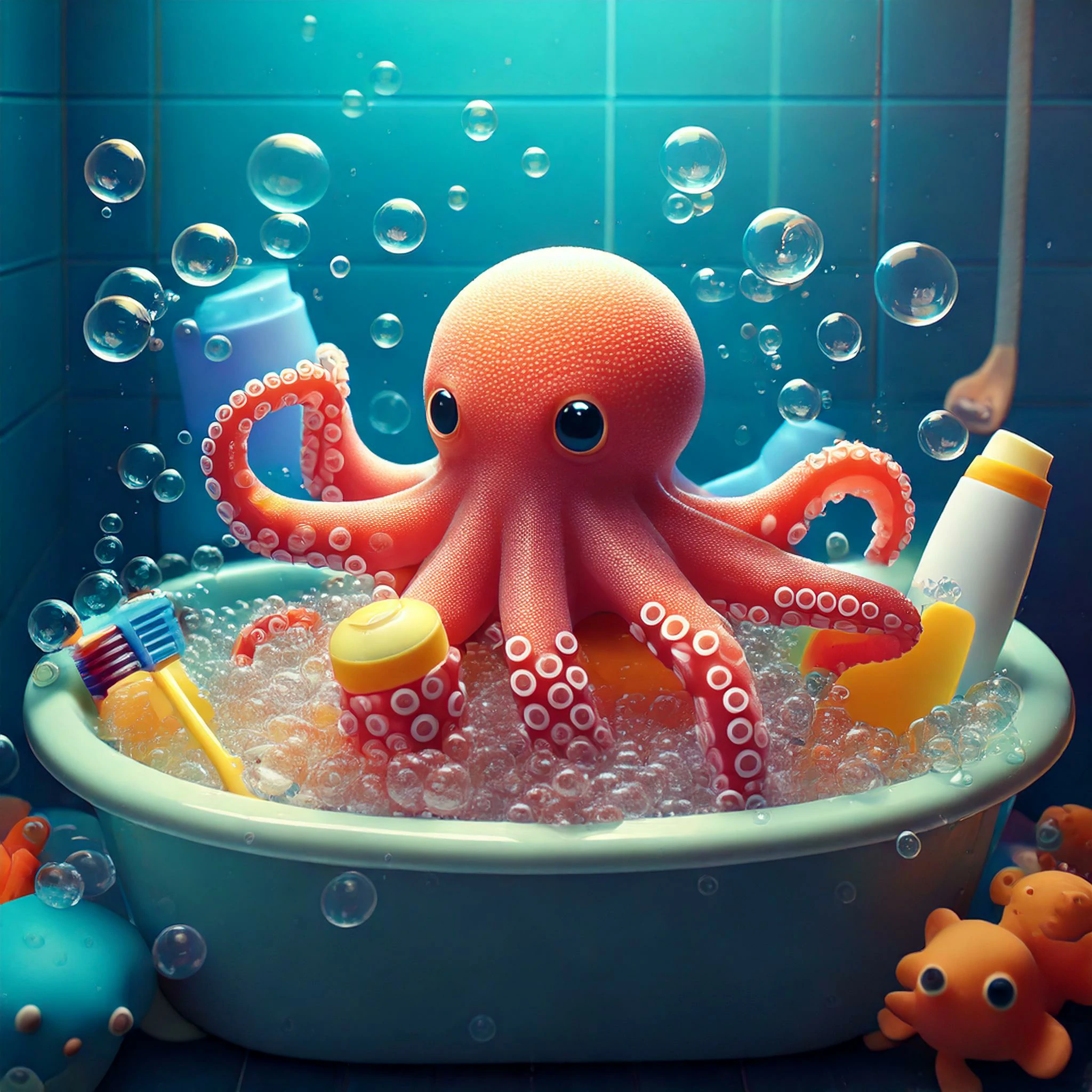
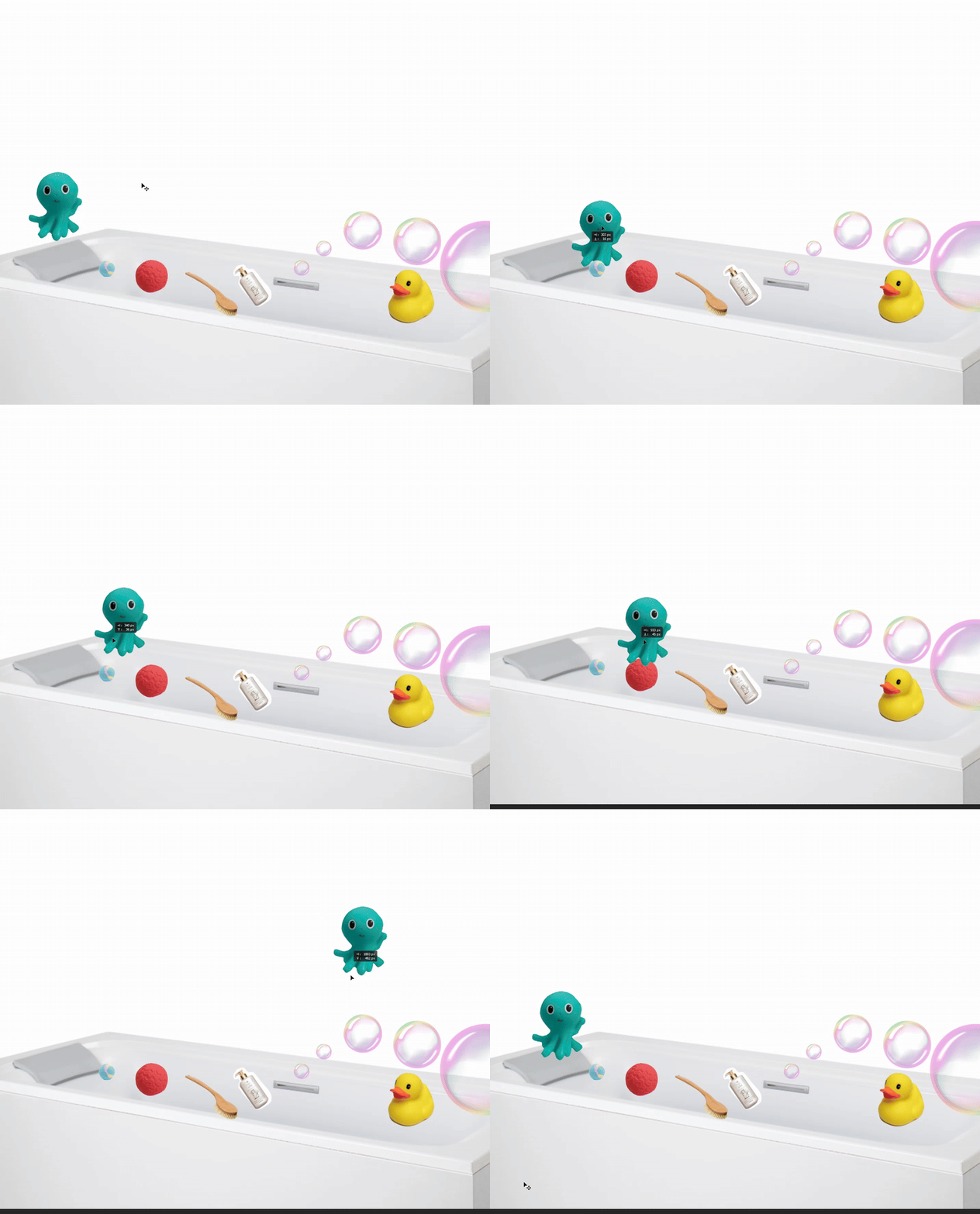
- 🏃➡️ Bubble Rush(our final choice) – A bath toy jumping on bubbles to escape the tub.
We chose the last one because it struck the perfect balance between fun, simplicity, and feasibility within 48 hours. The variety would come from level design and creative obstacles rather than overly complex mechanics.
Project Setup
With our game idea locked in, we needed a proper indie game development workflow.
I jumped into setting up the project structure:
- Initialized a GitHub repository for proper version control.
- Created a Notion workspace using UGO to manage tasks, documentation, and references.
- Set up a Figma board for concept art and UI mockups, natively integrated inside Notion.
- Initialized the Unreal Engine 5.5 project using the third-person template to kickstart development.
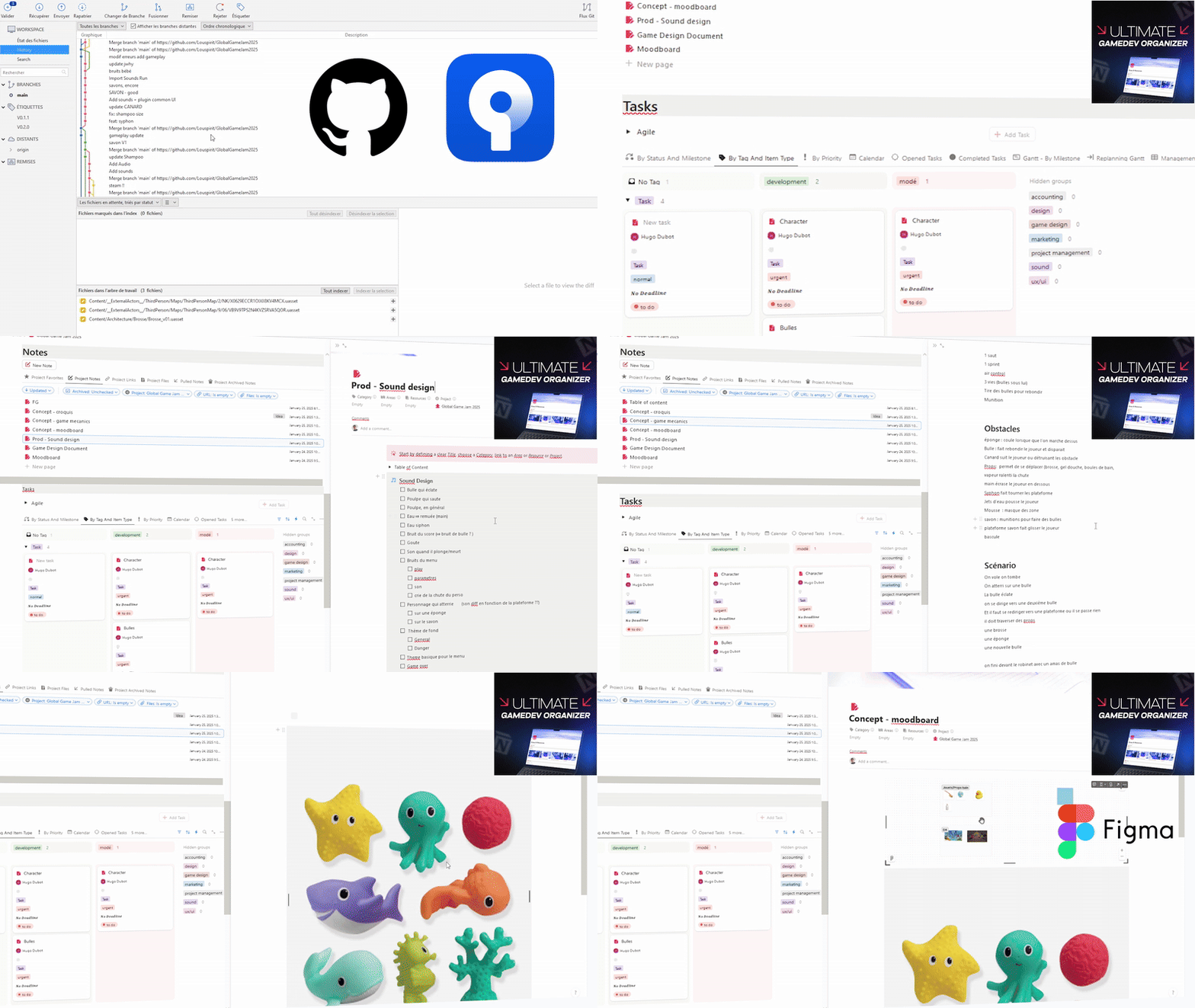
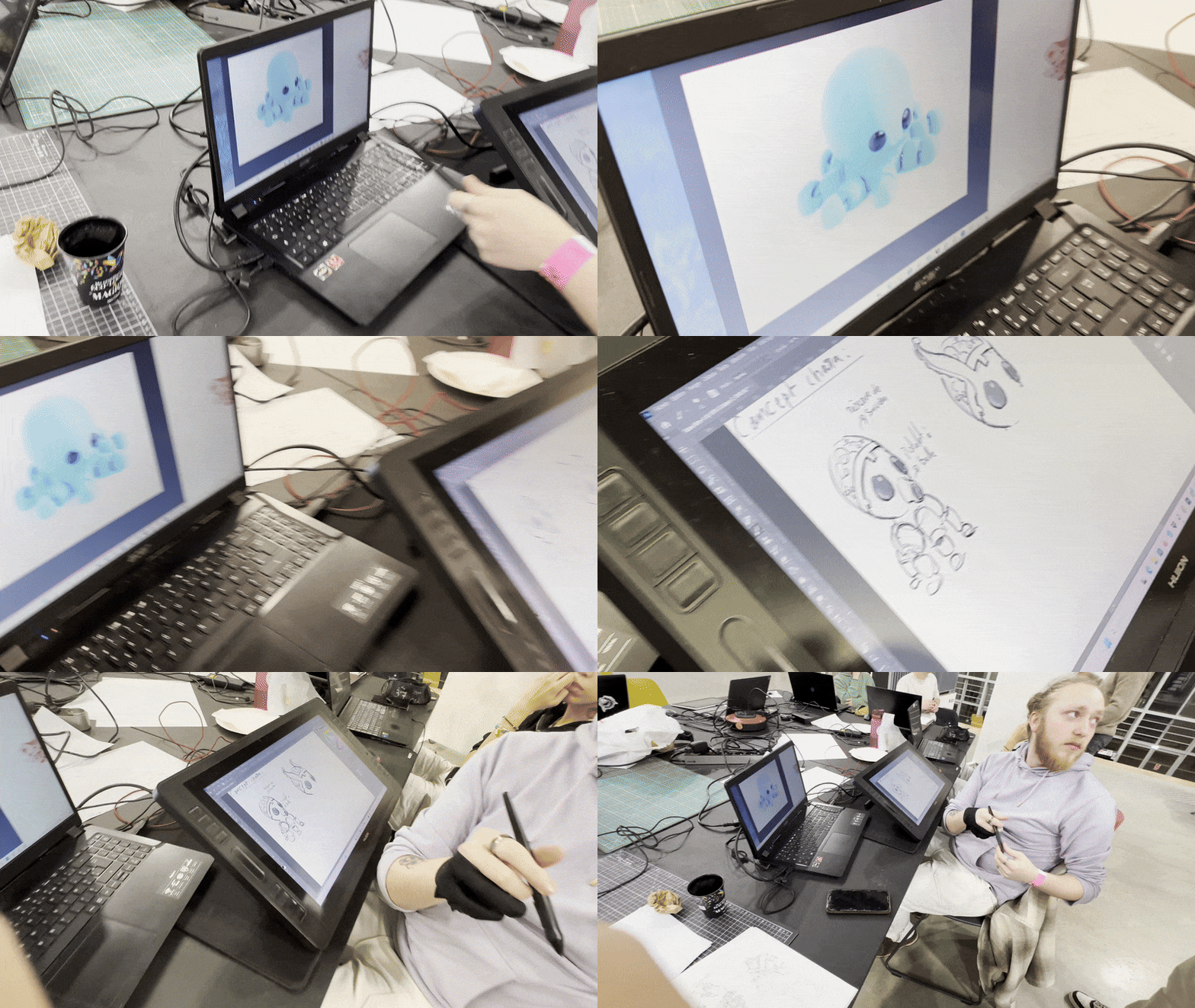
By the end of the night, we had:
- A clear game concept and visual references.
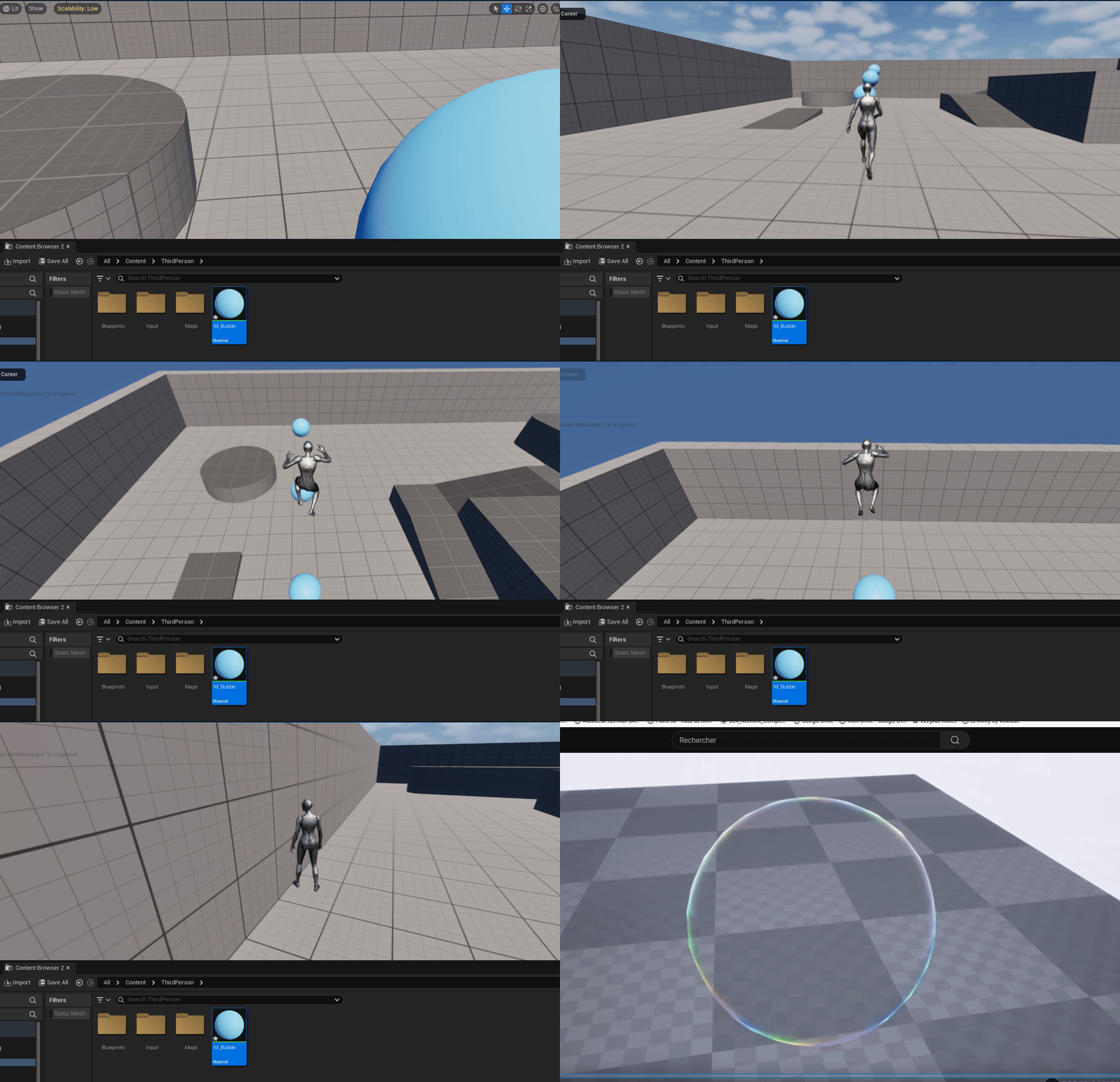
- Our first prototype: a sphere that lets the player bounce, forming the foundation of the bubble jumping mechanic.
👾 Day 1 – Development Begins
The night was short, but at least we were guaranteed some sleep with the location closing from midnight to 8 am.
Game Jam Tip: Don’t sacrifice sleep and eat; it won’t help your brain function at its full potential.
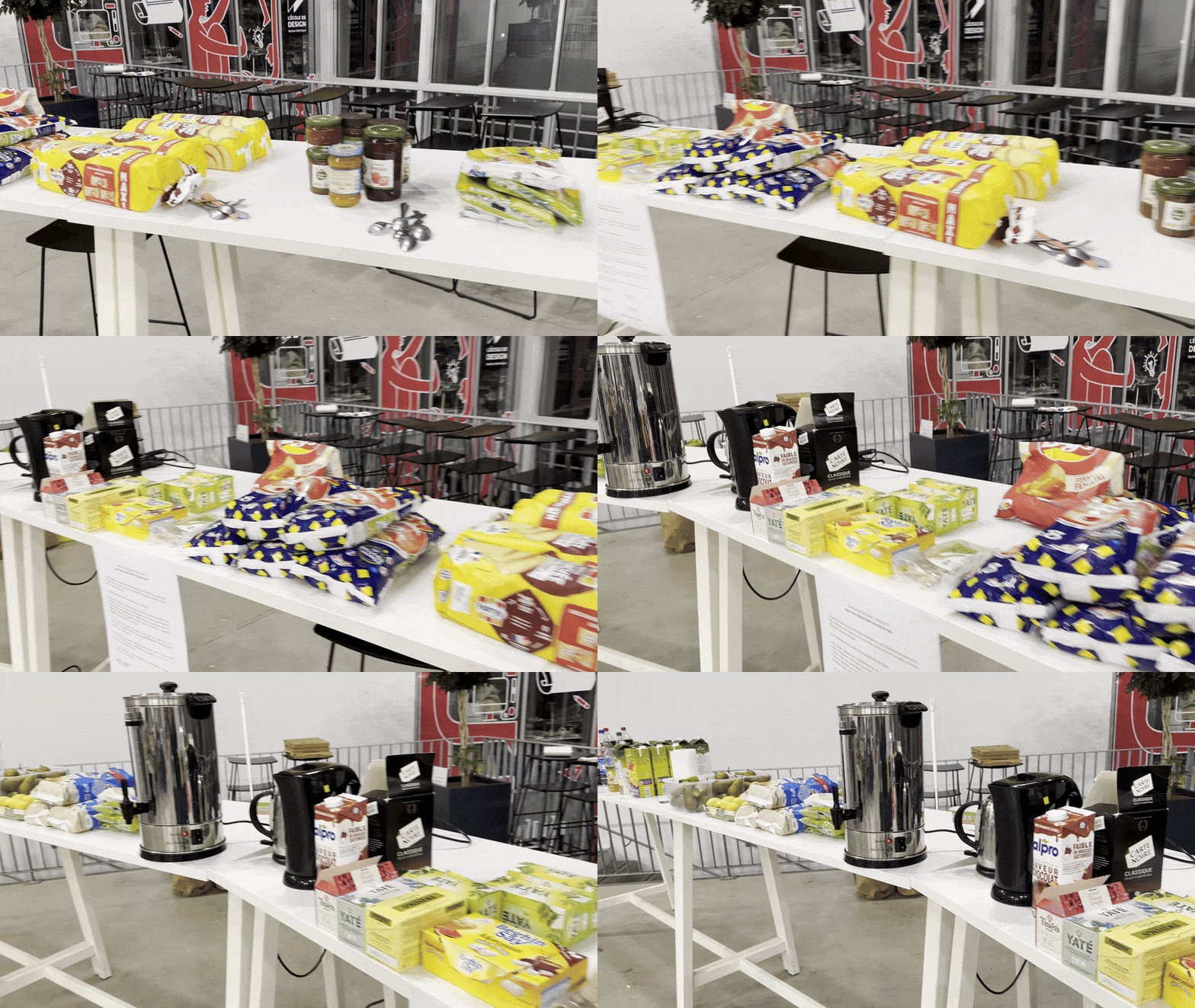
While eating our breakfast, we brainstormed several ideas for the game, but Furotako stood out.
- 🐙 “Tako” means octopus in Japanese.
- 🛁 “Furo” means bath—a perfect match for our bathtub escape concept!
The name clicked instantly, and we knew it had branding potential.
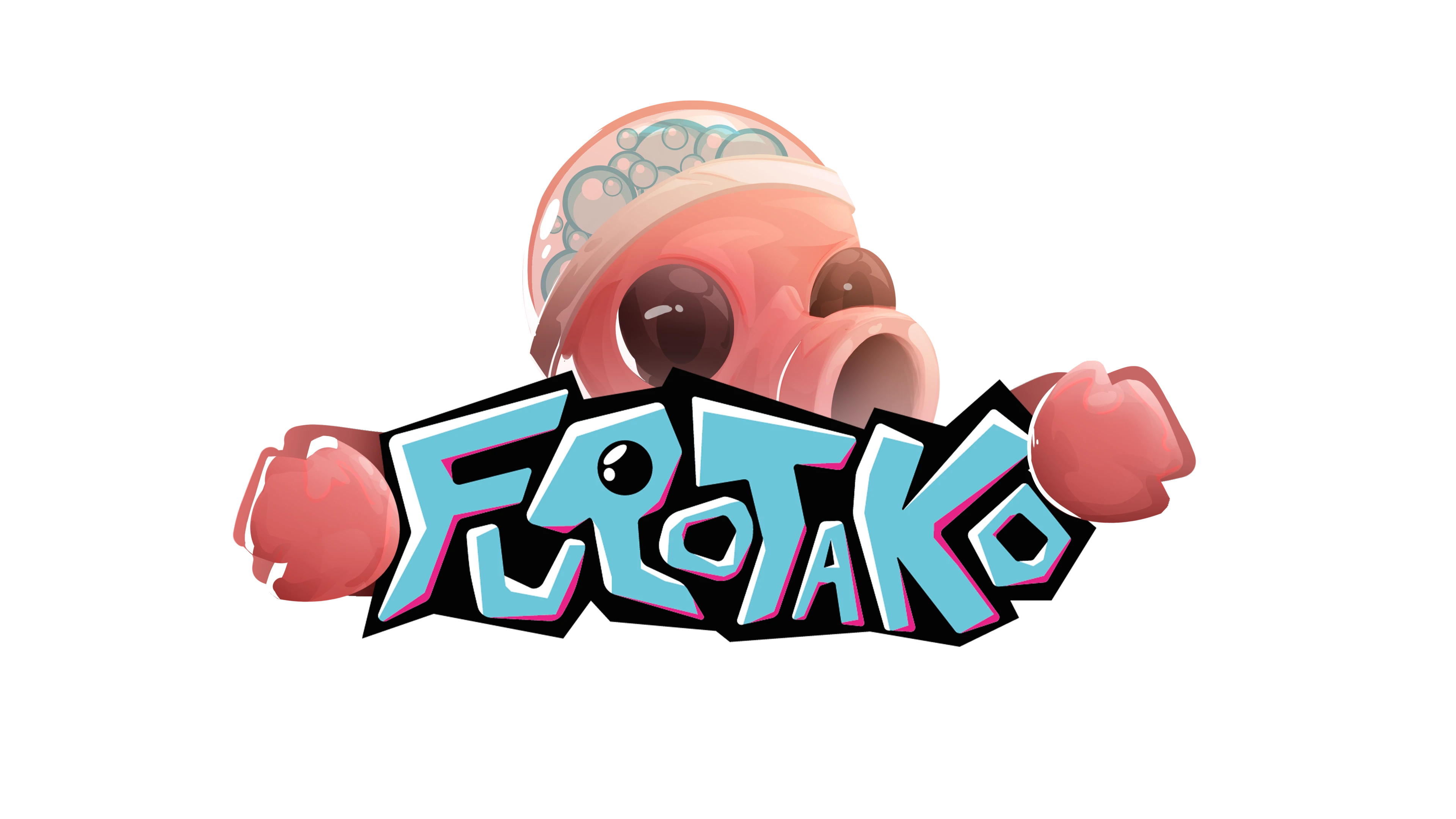
From there, Noé and Manuel designed the logo to feature the main character—our little bath-time octopus—right in the text. It captured the fun, quirky spirit of the game perfectly. 🎨✨
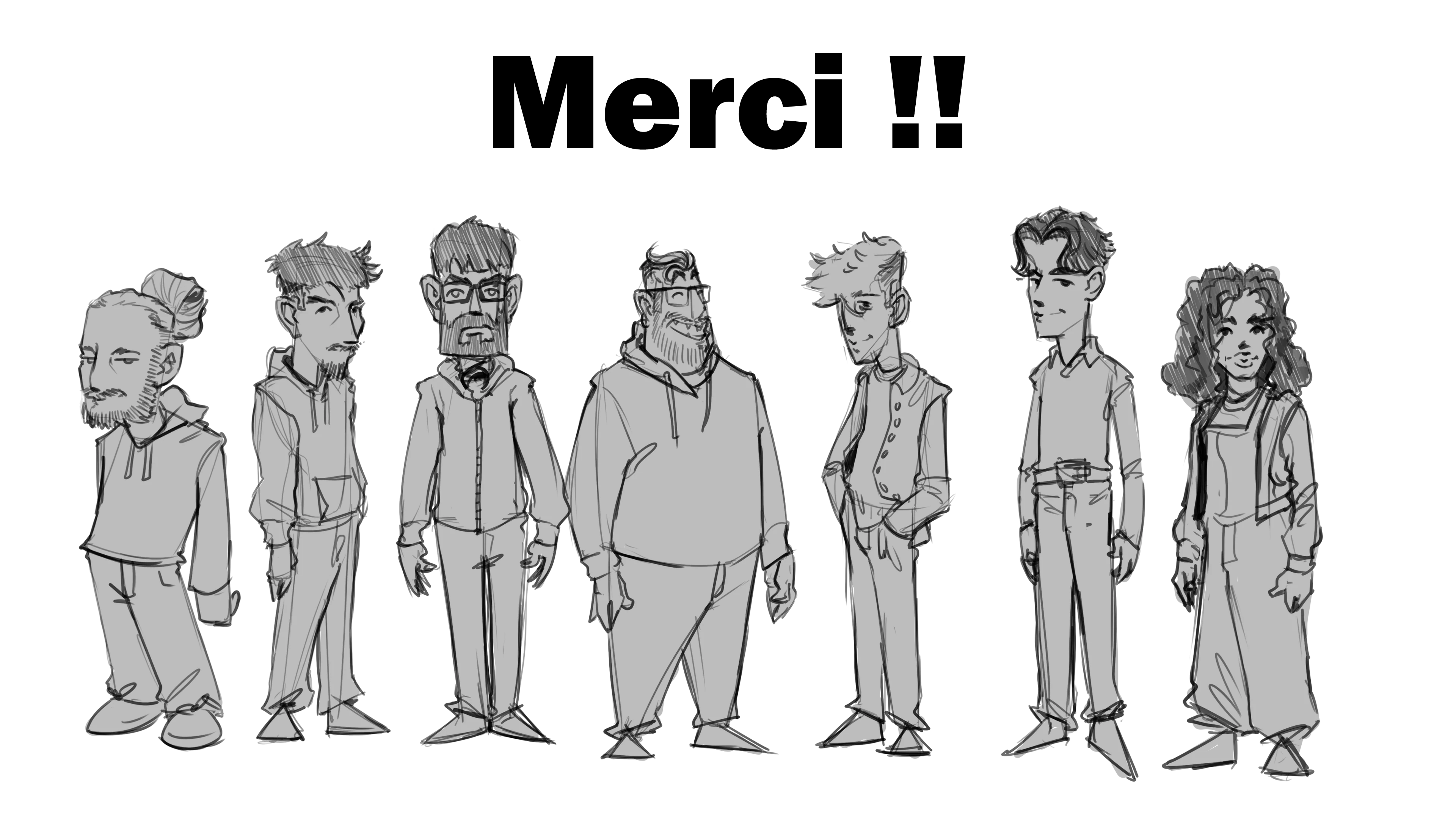
By the way, let me introduce you to the team!
Role Assignments
We divided responsibilities to keep production smooth:
- Manuel DelaHaye – Concept Art & 2D Art
- Hugo Dubot – 3D Modeling & Animation & Game Feel
- Guillaume Escarieux(me) – Programming & Integration
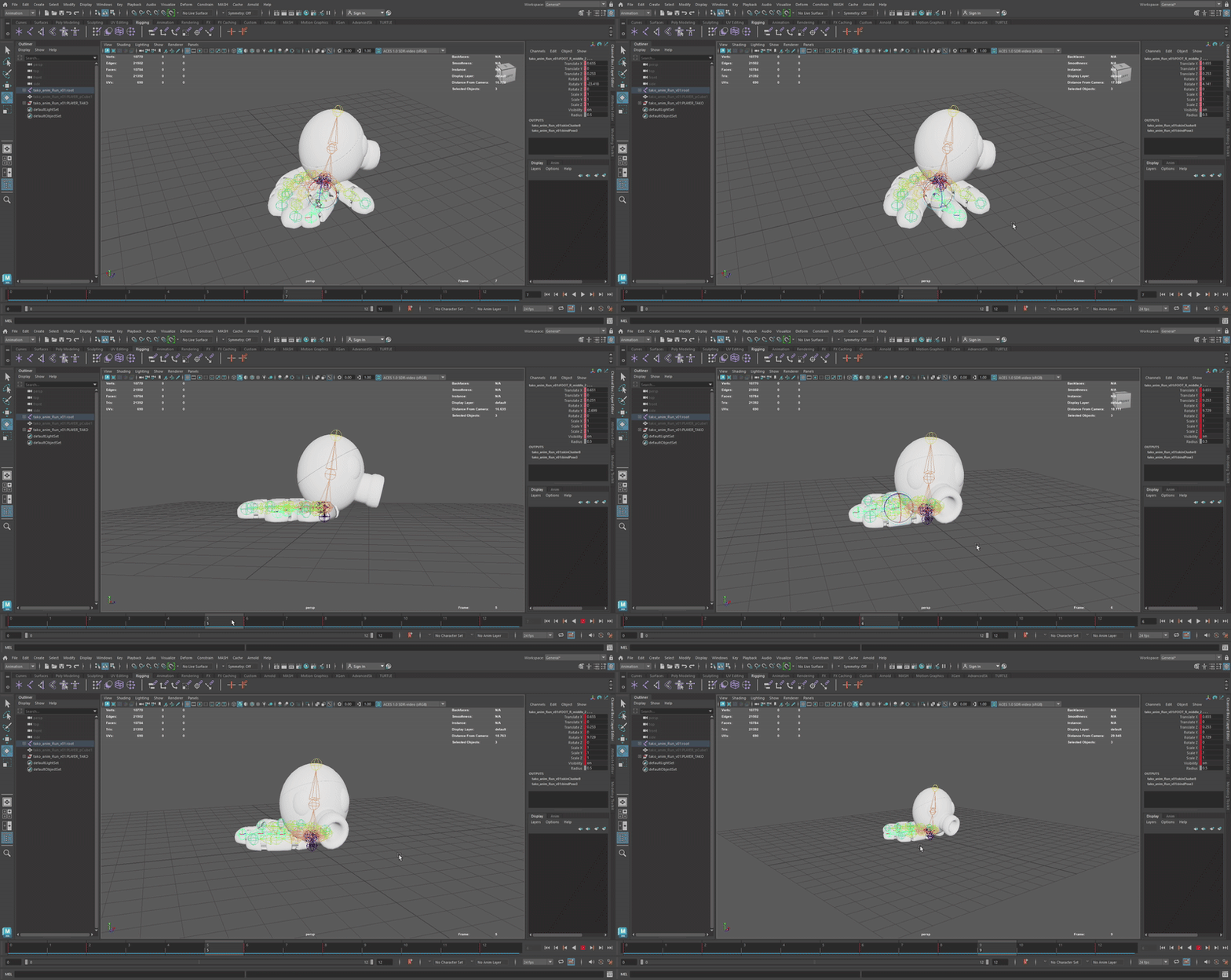
- Jwhy – 3D Modeling & Rigging & Animation
- Victor Malbet – Game Design & Level Design
- Noé – Game Design & UI Design
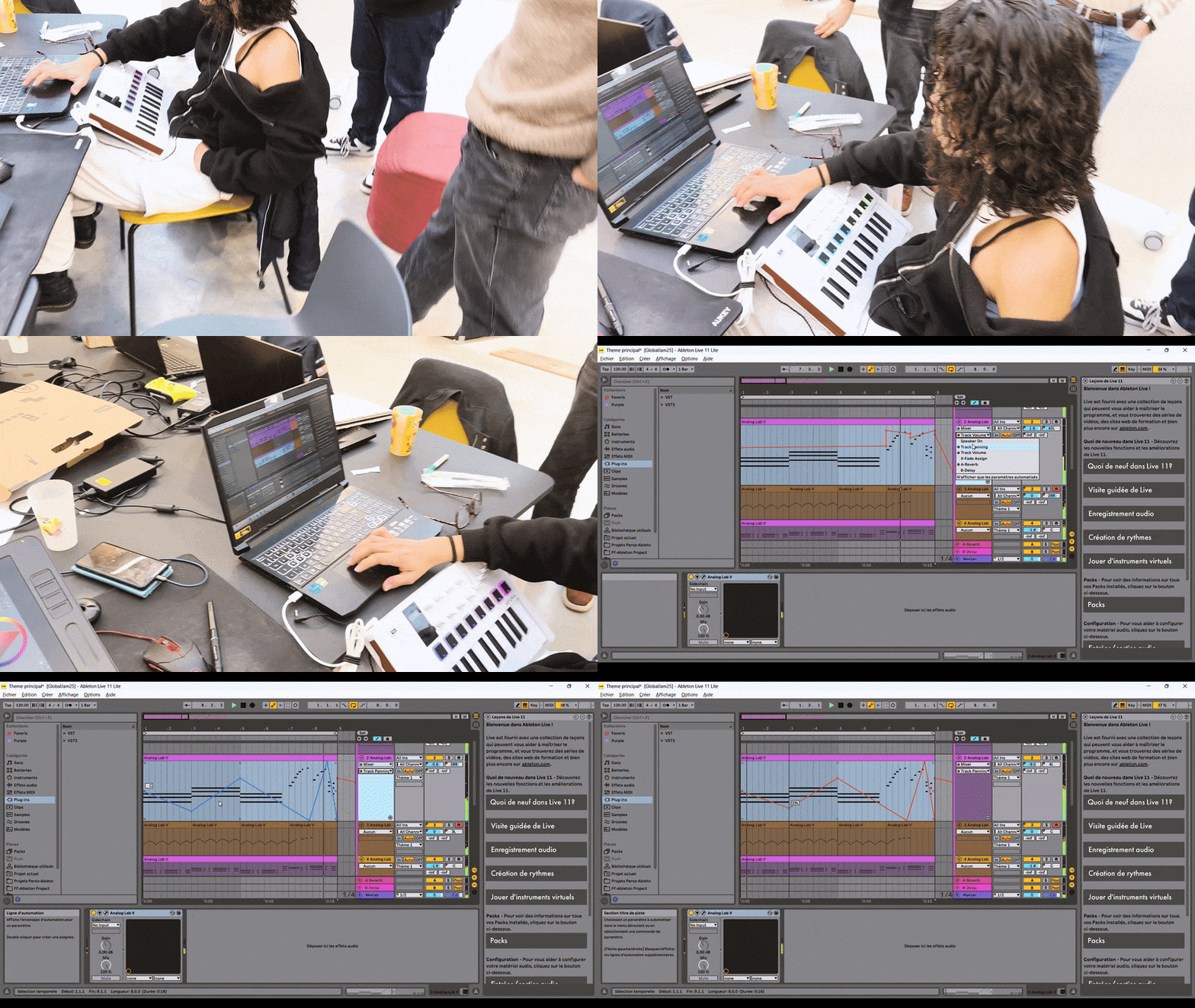
- Carla Zafimahova – Music & Sound Effects
The Moment We Knew the Game Would Be Fun
The real magic happened when we:
- Implemented the bubble-jumping mechanic, making it feel responsive & fun 🎮
- Saw the octopus animated for the first time in Maya 🐙✨
- Contemplated the procedural sponge made in Houdini🧽
- Listened to the joyful unique soundtrack, setting the perfect mood 🎶
Biggest Challenges
- Git Issues: We ran into version control problems due to unperfect usage, which slowed us down (fixing merge conflicts and remaking lost content…).
- Time Management: As the only full-time developer, I had to balance my own tasks while helping the team with technical difficulties and formation. It was challenging to stay productive while constantly switching contexts.
Progress So Far
By the end of Day 1, we had:
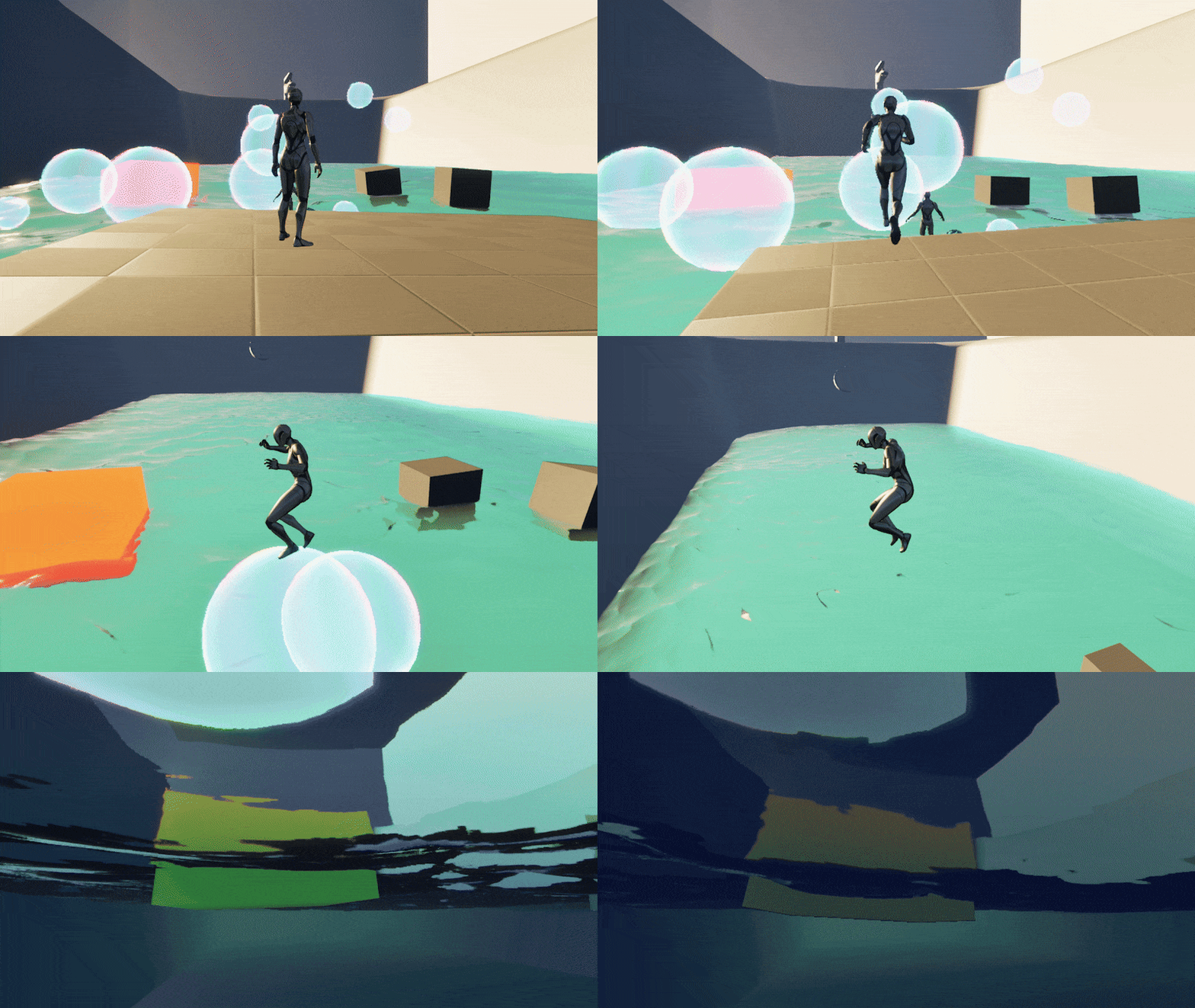
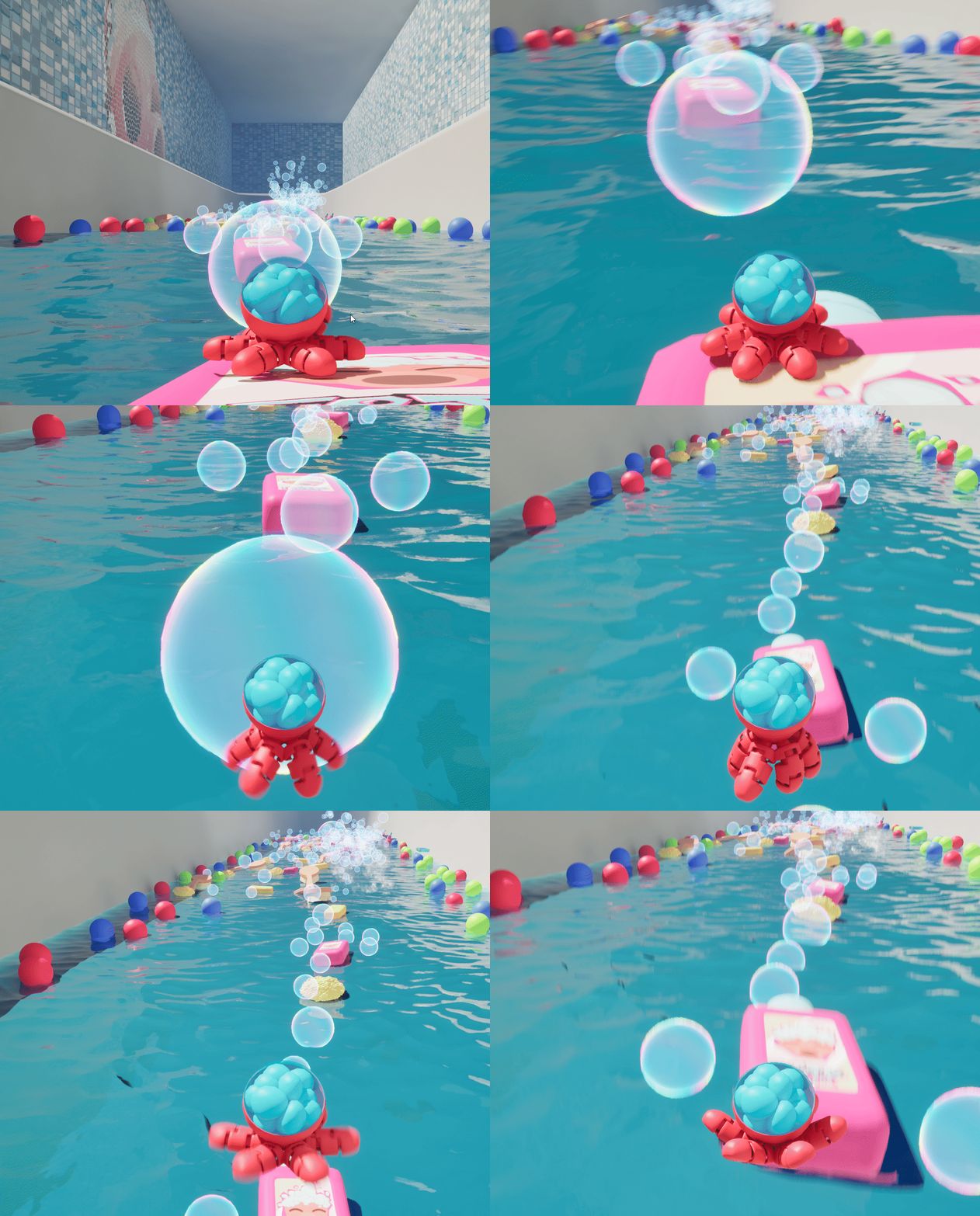
- A playable prototype with bubble jumping that pops out.
- Some props mechanics like floating shampoo, gliding soap and sinking sponge. I mean, there are just cubes at the moment 😚
- Some early-level design with a giant bathtub with real water from UE5.
- All concept art finalized, and some 3D models.
- The music track.
⏳ Day 2 – The Final Stretch & The Disaster
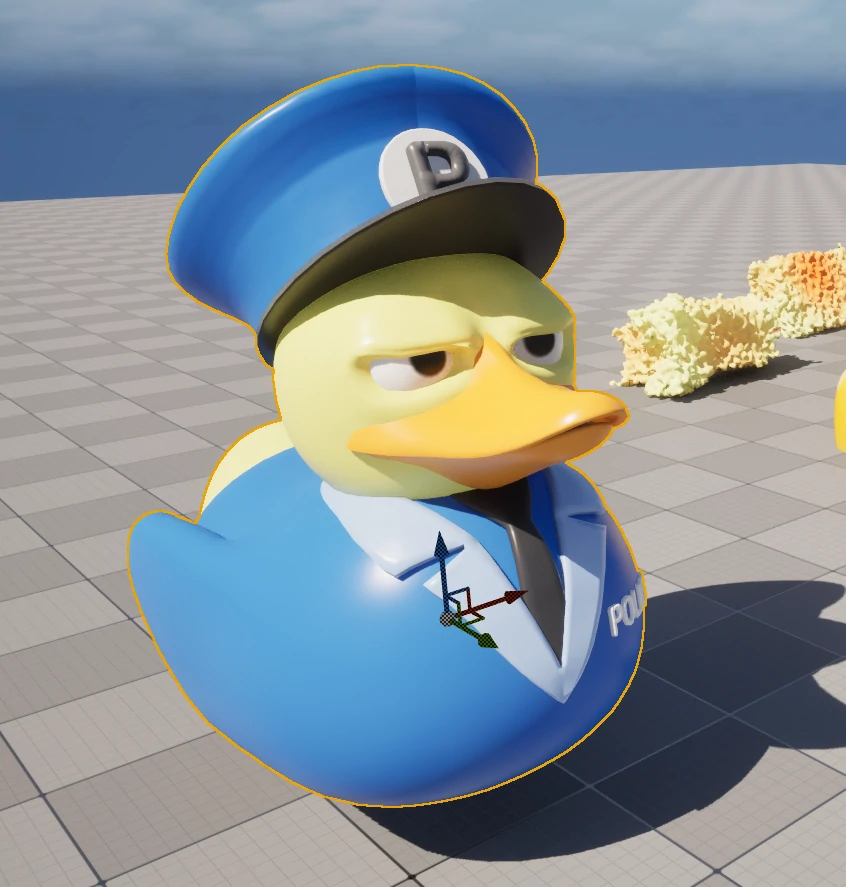
Jwhy surprised us by modeling the Duck Police Officer (the villain) overnight.
Last-Minute Additions & The Final Push
With just a few hours left, we scrambled to polish everything:
- Final obstacle gameplay mechanics implemented (bath balls, siphon with drain, baby’s hand crushing down randomly, duck patrolling…)
- Every game asset was being integrated—logo, cover, and 3D objects with collisions.
- Sound design came together, adding satisfying bubbling pops, octopus jumps, and hits.
But time was flying. We were deep into crunch mode, barely looking at the clock.
Then… Disaster Struck
It was time to deliver the game, and we rushed to finalize everything.
Then we hit a huge problem— the menu didn’t work. No way to start the game.
🫢“Why leaving that part to the very end?”
I scrambled to fix it, pushing past the deadline, and after some quick debugging, I finally got the menu working. Relief… or so I thought.
Then came the next disaster— the game wouldn’t launch.
At first, I thought, “Okay, normal bug, easy fix.” But no.
💀 Panic mode activated.
The rest of the team stood behind me, watching as I tried to fix it.
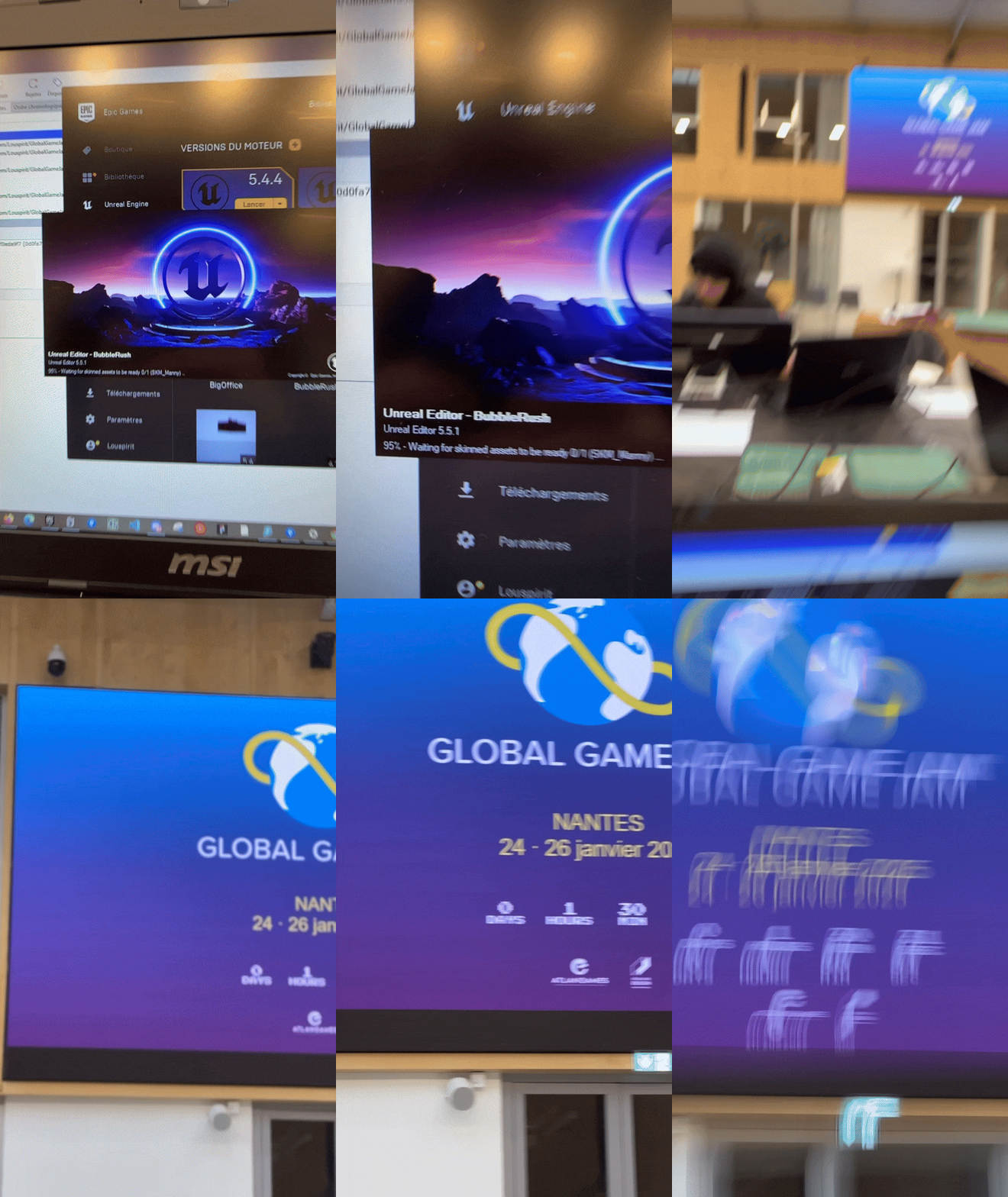
Meanwhile, other teams were already presenting their games on the giant screen.
We tried everything:
- ✔️ Exporting a new build. → Didn’t work.
- ✔️ I ran it on my PC. → It was too slow.
- ✔️ We moved it to another PC via USB. → CRASH.
- ✔️ Tweaked Unreal settings & re-exported. → Still CRASHED.
Finally, one version launched on my PC. Not great, but at least we had a playable build.
Game Jam Fail: What to Do When Your Game Won’t Launch?
We stepped onto the stage. I thanked everyone on the mic (Atlangames, the School of Design, my team), feeling a mix of exhaustion and pride.
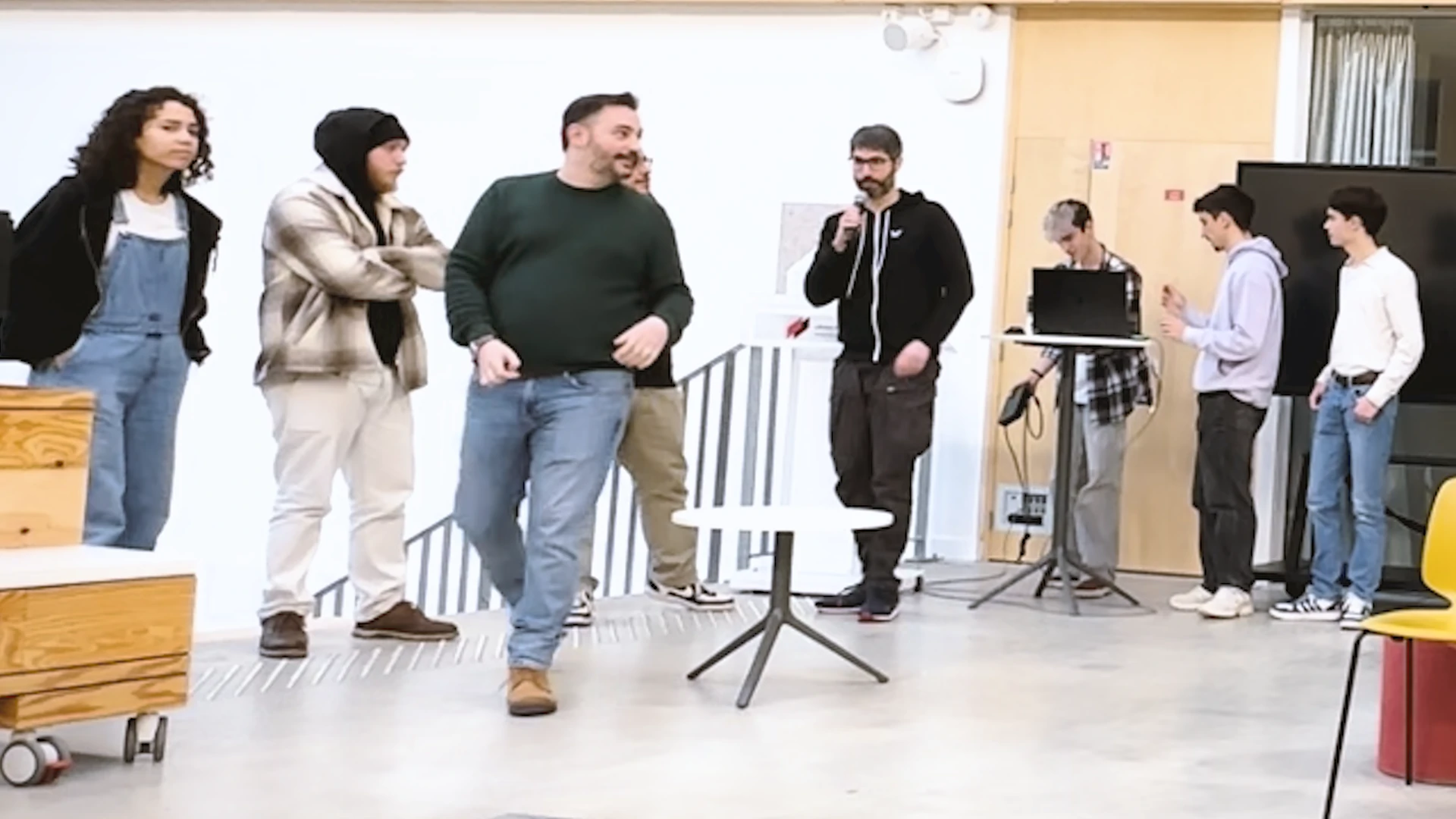
We hit “Play” in front of the entire audience.
💥 Black screen. Fatal error.
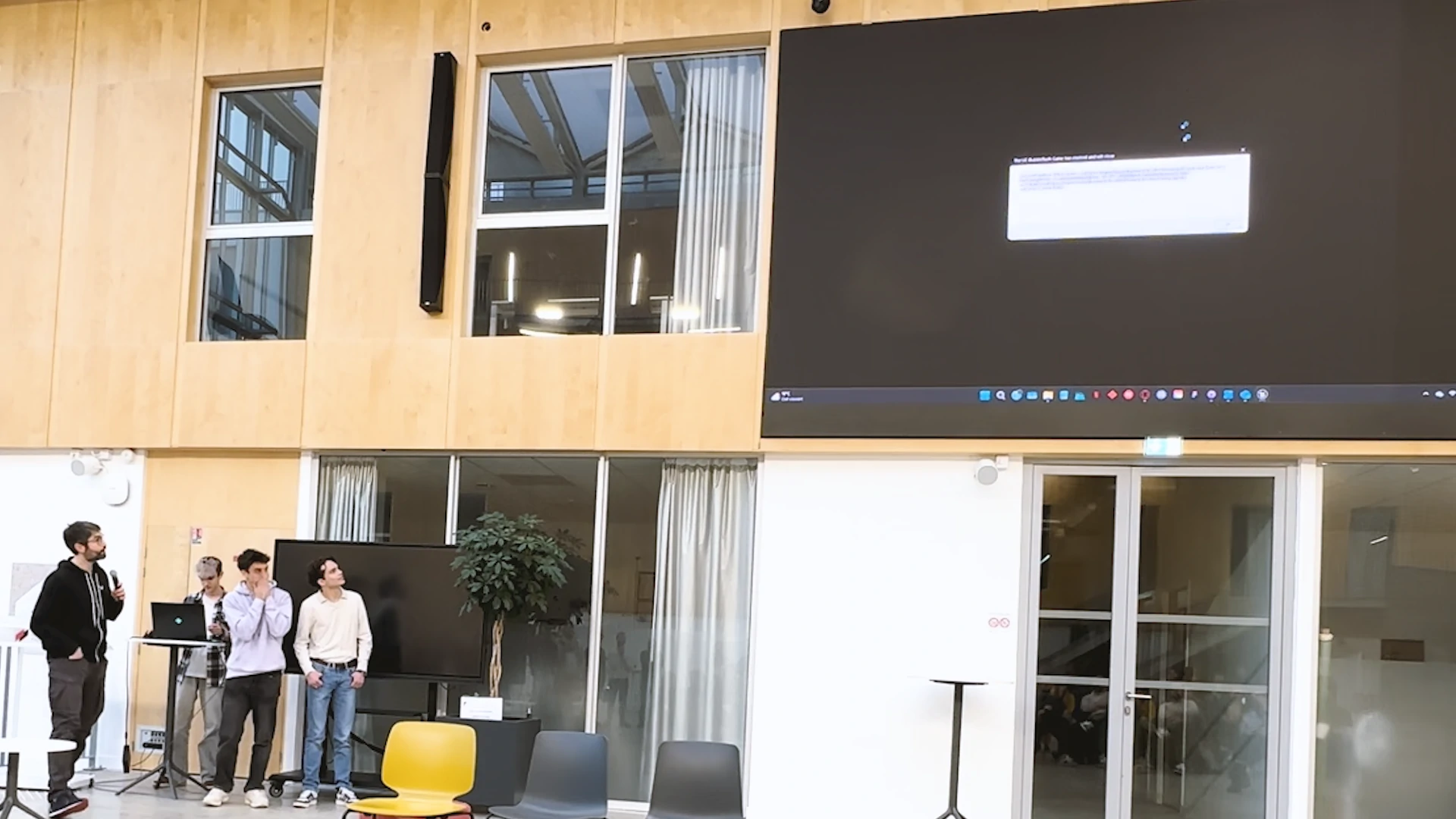 Silence 😨.
We tried another PC—the one we had already tested before. CRASHED AGAIN.
The audience waited. The tension was unbearable.
There was only one PC left in the team that hadn’t been tested yet.
This was it. Our last shot. We plugged in the USB, booted up the game, and hit “Play.”
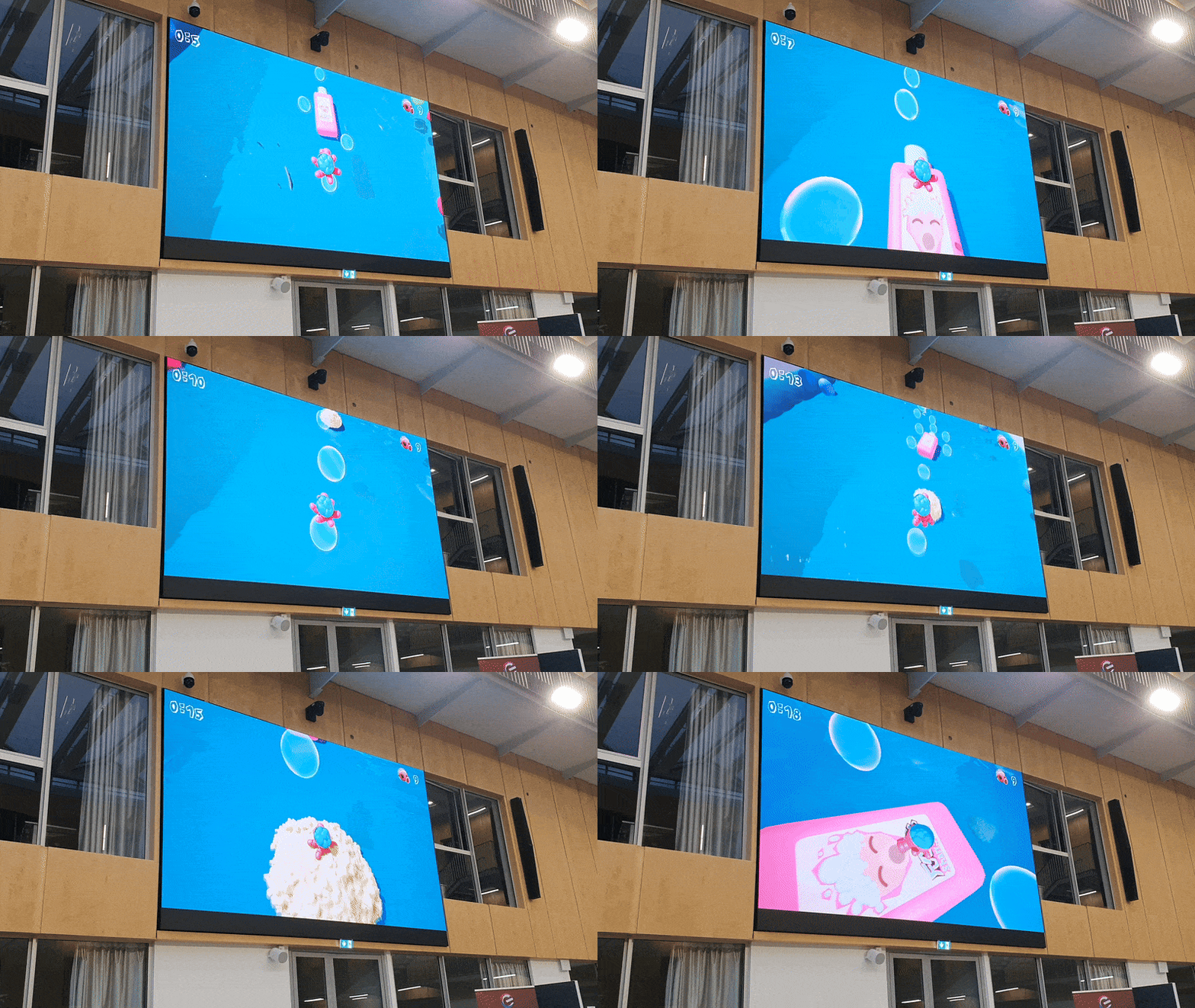
🔥 BAM. IT WORKED.✨
The audience loved it—cheering at every near-miss jump, laughing at the Duck Cop boss, and groaning in disappointment when the octopus sank.
It was an insane rollercoaster, but we survived the Game Jam. Furotako was alive. 🎮🐙
🚀 Final Thoughts & Lessons Learned
After 48 hours of madness, here’s what I took away:
- ✅ Test early, test often. We underestimated the final export—never again.
- ✅ Organizing saves time. Using UGO for planning kept everything smooth, even when time was tight.
- ✅ Crisis management is a real skill. Game jams are a trial by fire for problem-solving.
- ✅ Big teams work better - if structured properly. Despite being seven people, we delivered all planned features thanks to clear roles and processes.
- ✅ Have fun during the process. Even if we hadn’t ended shone, we’d earned a new game and new friends in just a weekend!
Would I do it again? 100%.
But next time, I’ll prepare the tools and project in advance with pre-made menus. It will be mandatory to package the game regularly to avoid experiencing that same level of stress!
🔥 Join the Adventure
🎮 Play Furotako Now on GameJolt
🎥 Watch the whole journey in the Vlog
🚀 Consider UGO to organize and ensure your own project’s success
FAQ
❓ What is a Game Jam?
A Game Jam is a short-time event (usually 48h) where teams create a game from scratch based on a surprise theme.
❓ How do you survive a Game Jam?
By finding a game idea fast, planning well, keeping your scope small, not avoiding sleep nor eating, testing your game early and managing stress efficiently.
Back to top